
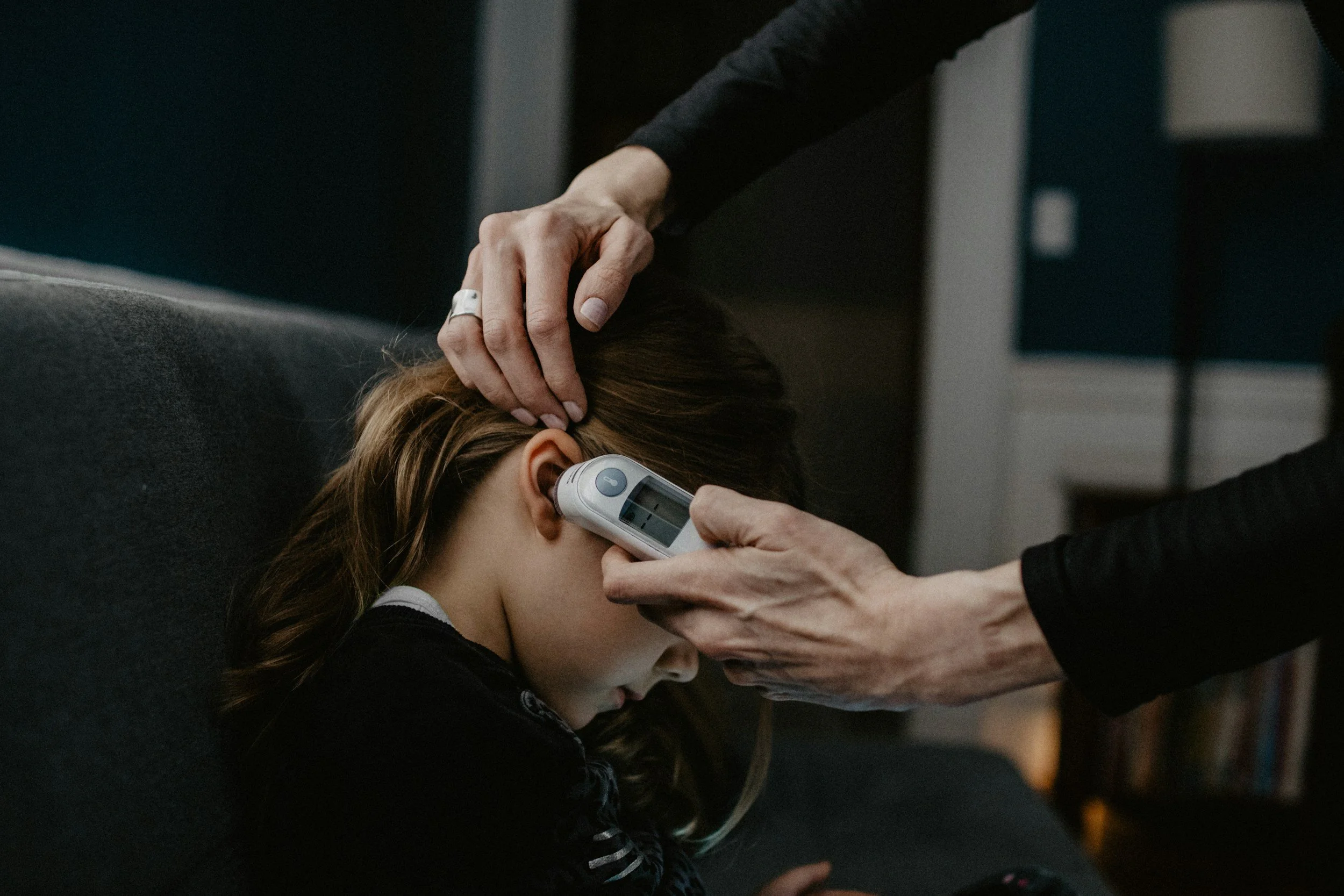
Winter in Colorado brings plenty to look forward to, from snowy mountain weekends to cozy evenings at home. Unfortunately, it also brings something less exciting: cold and flu season.
Between holiday gatherings, busy schedules, colder temperatures, and more time spent indoors, it's easy for seasonal illnesses to make their way through households, schools, and workplaces.
And while there's no guaranteed way to avoid every winter bug, there are proven ways to lower your risk, support your immune system, and recover more comfortably if you do get sick.
At Direct Osteopathic Primary Care (DOPC), we believe staying healthy starts with understanding what your body actually needs, not chasing the latest wellness trend.
Let's separate the facts from the fiction and talk about what really works.
1. Give Your Immune System the Basics It Needs
Your immune system is incredibly complex, but supporting it doesn't have to be.
While supplements and wellness products often promise to "boost" immunity, the most effective approach is usually much simpler: consistently giving your body what it needs to function well.
Start with these everyday habits:
Prioritize sleep. Most adults need seven to nine hours of quality sleep each night. Consistently getting too little sleep can affect immune function.
Eat a balanced diet. Fruits, vegetables, whole grains, lean proteins, and healthy fats provide nutrients your immune system needs.
Stay hydrated. Drinking enough water supports normal body functions and helps prevent dehydration when you're sick.
Move your body. Regular, moderate physical activity supports overall health and immune function.
Manage stress. Chronic stress can affect your immune response, making stress management an important part of preventive care.
The good news? You don't need to overhaul your entire routine overnight. Small, consistent habits can make a meaningful difference.
2. Don't Underestimate the Power of Handwashing
It might not be the most exciting wellness advice, but washing your hands remains one of the simplest ways to reduce the spread of many common infections.
Cold and flu viruses can spread through respiratory particles, and some infections can also spread when contaminated hands touch your eyes, nose, or mouth.
A few simple reminders:
Wash your hands with soap and water for at least 20 seconds.
Use hand sanitizer containing at least 60% alcohol when soap and water aren't available.
Avoid touching your face with unwashed hands.
Clean frequently touched surfaces, especially when someone in your household is sick.
It's also important to remember that handwashing is only one piece of prevention. Because respiratory viruses spread through the air, improving indoor ventilation and avoiding close contact with sick individuals can also help.
3. Get Your Seasonal Vaccinations
One of the most effective ways to protect yourself against serious flu-related illness is through annual influenza vaccination.
Flu viruses change over time, which is why seasonal flu vaccines are updated and recommended each year.
Vaccination is particularly important for people at higher risk of complications, including older adults, pregnant individuals, young children, and people with certain chronic medical conditions.
Other respiratory illnesses, including COVID-19 and RSV, can also circulate during the winter months.
Your healthcare provider can help you determine which vaccinations are appropriate based on your age, medical history, and current recommendations.
Remember: Vaccines don't guarantee you won't get sick, but they can significantly reduce your risk of severe illness and complications.
4. Know What Helps When You're Already Sick
Even with the best prevention habits, getting sick sometimes happens.
If you develop a cold or flu-like symptoms, the right approach depends on what's causing your illness and how severe your symptoms are.
For many uncomplicated viral illnesses, supportive care is an important part of recovery.
What can help:
Get plenty of rest and allow your body time to recover.
Drink fluids regularly to prevent dehydration.
Use a clean humidifier or saline nasal spray to ease congestion.
Try honey to soothe a cough for adults and children over one year old.
Ask your healthcare provider about appropriate over-the-counter medications for fever, discomfort, or congestion.
It's also important to understand what doesn't work.
Antibiotics do not treat viral infections like the common cold or influenza. And while certain supplements are marketed as cold remedies, evidence supporting many of these products is limited or inconsistent.
For influenza, prescription antiviral medications may help shorten illness and reduce complications, particularly when started early. If you suspect you have the flu, especially if you're at higher risk for complications, contacting your healthcare provider promptly can make a difference.
5. Know When It's Time to Call Your Doctor
Not every cough or runny nose requires a doctor's appointment. But knowing when to seek medical guidance can help you avoid unnecessary complications.
Consider reaching out to your healthcare provider if you experience:
A persistent or worsening fever.
Symptoms that improve and then suddenly return or become worse.
Significant sinus pain, ear pain, or a worsening cough.
Difficulty staying hydrated.
Flu-like symptoms when you have a higher risk of complications.
Symptoms that aren't improving as expected.
Seek emergency medical attention for severe symptoms, including difficulty breathing, persistent chest pain, new confusion, or other signs of a medical emergency.
Having an established relationship with a primary care provider can make these decisions easier. Instead of wondering whether your symptoms are serious enough for an appointment, you have someone familiar with your health history who can help guide your next steps.
6. Make Preventive Care Part of Your Winter Wellness Routine
Cold and flu prevention isn't just about avoiding germs. It's also about maintaining your overall health so you're better prepared for whatever the season brings.
Routine primary care visits can help identify underlying health concerns, manage chronic conditions, review medications, and ensure you're up to date on recommended preventive care.
And when you have questions about your health, getting answers shouldn't feel complicated.
At DOPC, our direct primary care model is designed to give patients more time with their provider, personalized attention, and easier access to the care they need.
Whether you're managing a lingering winter cough, checking in on your health goals, or simply looking for guidance on staying well, we're here to help.
A Healthier Winter Starts With the Right Support
You can't control every germ you encounter this winter, but you can take meaningful steps to protect your health.
Prioritize rest, nourish your body, stay current on recommended vaccinations, and don't hesitate to seek medical guidance when something doesn't feel right.
Most importantly, remember that staying healthy isn't about doing everything perfectly. It's about building sustainable habits and having the right support when you need it.
Ready for healthcare that puts you first?
At Direct Osteopathic Primary Care, we're making personalized, accessible primary care a priority for individuals and families in Denver and Parker, Colorado.
Learn more about DOPC and explore our membership options at mydenverdo.com/memberships.