

Learning Center
MEMBER RESOURCES
Video Content

Starting Hormone Replacement Therapy (HRT) can feel overwhelming, especially with so much conflicting information available. In this educational discussion, Dr. Brie explains the first steps of the HRT journey, including how symptoms are evaluated, what testing may be recommended, and how personalized treatment plans are developed.
Whether you're dealing with hot flashes, night sweats, mood changes, fatigue, brain fog, sleep disturbances, or other symptoms of hormonal imbalance, understanding your options is the first step toward feeling better.
Watch this video to learn:
When to consider Hormone Replacement Therapy
What to expect during your initial consultation
How hormone testing fits into the process
Treatment options available
How individualized care leads to better outcomes
If you're ready to explore whether HRT is right for you, our team is here to help guide you every step of the way.

Should you test your hormones? If so, which test is actually right for you?
In this Facebook Live, Dr. Brie breaks down one of the most common questions she hears from patients: Do I need hormone testing, and what can it actually tell me?
From traditional blood work to advanced saliva, urine, and genetic testing, Dr. Brie explains the strengths and limitations of each approach, when testing makes sense, and how the right test depends on the answers you're looking for. In this video, you'll learn:
1. How blood testing compares to advanced hormone testing
2. When hormone testing can be helpful during perimenopause
3. The best timing for hormone testing throughout your menstrual cycle
4. Why testosterone testing should be done differently for men and women
5. What AMH testing can reveal about fertility
6. Why cortisol testing may be key if you're dealing with chronic stress, burnout, or poor sleep
7. How saliva, urine, and genetic testing provide a more complete picture of hormone health
8.How to choose the right testing strategy based on your symptoms and goals
Whether you're wondering if you're entering perimenopause, struggling with fatigue, experiencing hormone-related symptoms, or simply want a baseline for your health, this discussion will help you better understand today's hormone testing options.
Interested in personalized hormone testing?
Denver Osteopathic Primary Care offers comprehensive hormone evaluations and advanced testing to help uncover the root causes of symptoms—not just treat them.
📍 Learn more about our Healthy Hormone Assessment and women's health services.
Disclaimer: This video is for educational purposes only and should not be considered personal medical advice. Please consult your healthcare provider before making decisions about testing or treatment.






Monthly Newsletters



Connect with us on social.
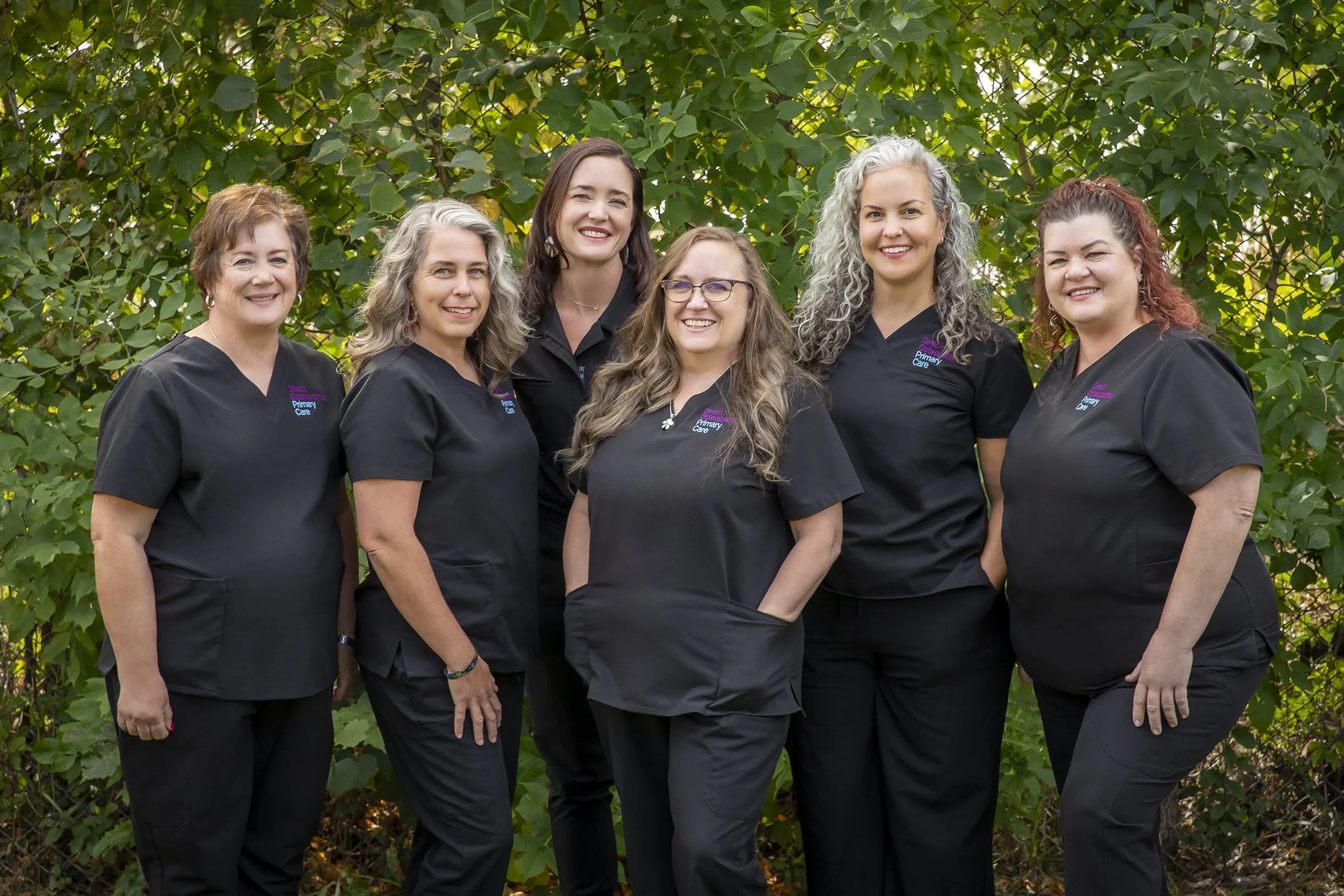
Direct Primary Care (DPC) is changing the way patients access healthcare—especially as traditional healthcare costs continue to rise. In this conversation, Dr. Brie of Direct Osteopathic Primary Care (DOPC) explains how the Direct Primary Care model helps fill the growing gap between what patients need and what traditional insurance-based healthcare often provides.
Learn how DPC can offer more direct access to your physician, longer appointments, transparent pricing, and a stronger doctor-patient relationship—all without the barriers that can make traditional healthcare feel complicated or out of reach.
Whether you’re exploring alternatives to traditional primary care or simply want more control over your healthcare, this conversation offers a closer look at how Direct Primary Care works and who may benefit.
Learn more about Direct Osteopathic Primary Care and our Denver or Parker, Colorado location.