
What Does Your Breast Density Mean? A Guide to Understanding Your Mammogram
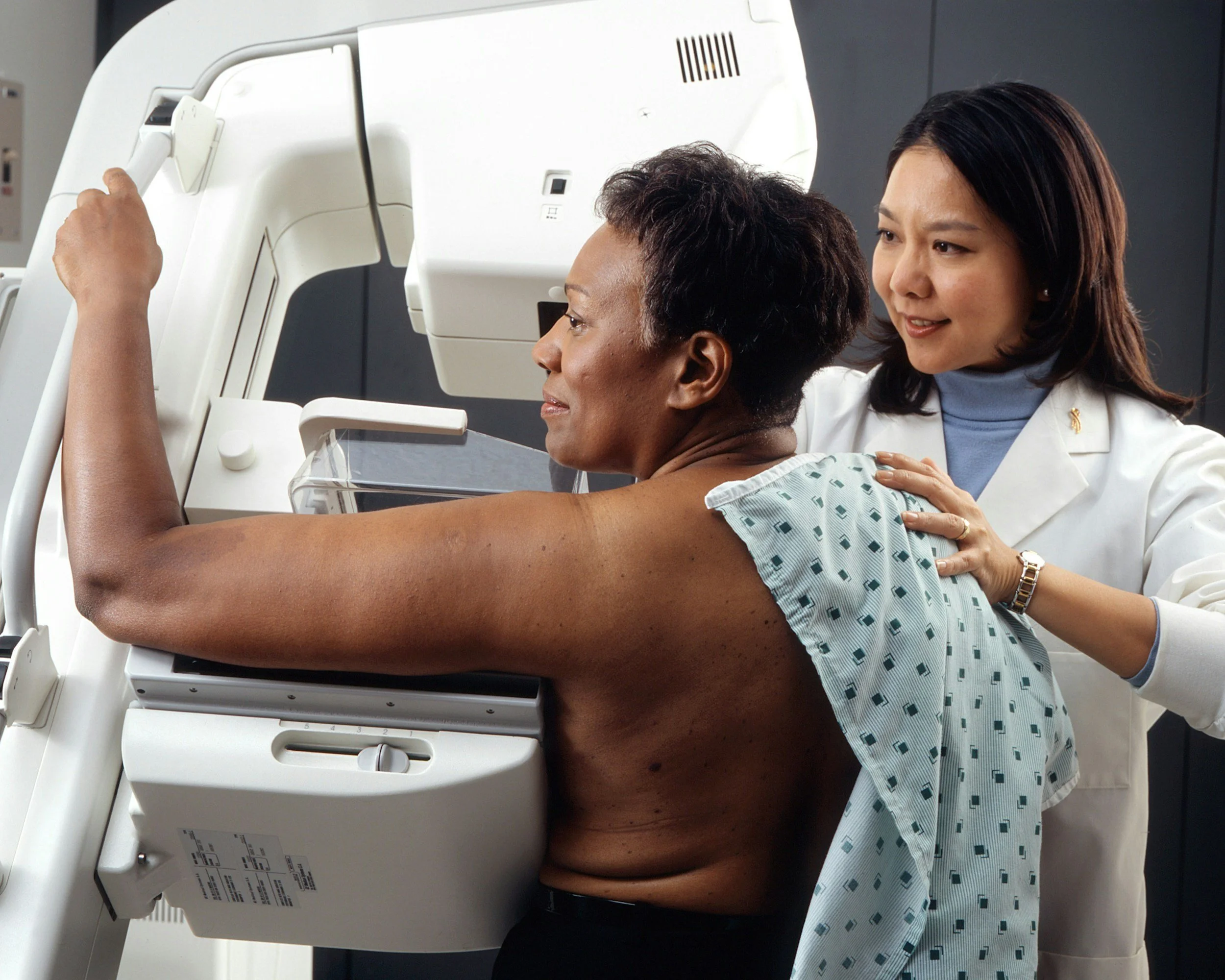
You got your mammogram. You received the report. It says everything looks normal—but somewhere in the results, you see a note about breast density.
What does that actually mean? And should it change what you do next?
Breast density is one piece of your overall breast cancer risk, and understanding yours can help you have a more informed conversation with your doctor about the screening that makes sense for you.
First: What Is Breast Density?
Breast density describes the amount of fibrous and glandular tissue compared with fatty tissue in your breasts. It isn't something you can determine by how your breasts look or feel—it is assessed on a mammogram.
Your report will generally place your breast tissue into one of four categories:
A — Almost entirely fatty
There is mostly fatty tissue.
B — Scattered areas of fibroglandular density
There are some areas of dense tissue, but most tissue is not dense.
C — Heterogeneously dense
There are larger areas of dense tissue that can make it more difficult to see certain findings on a mammogram.
D — Extremely dense
Most of the breast tissue is dense, which can make abnormalities more difficult to identify on mammography.
Categories C and D are considered “dense breasts.”
Why Does Breast Density Matter?
There are two important reasons.
First, dense breast tissue and some cancers both appear white on a mammogram. That means dense tissue can sometimes make a cancer more difficult to see.
Second, having dense breast tissue is itself associated with an increased risk of developing breast cancer.
But here's the important part: breast density alone doesn't tell us your overall risk.
Your Family History Matters, Too
When we evaluate breast cancer risk, we're looking at a much bigger picture.
That can include your age, breast density, personal medical history, reproductive history, genetic factors, and your family history of breast and ovarian cancers.
And family history doesn't stop with your mom or sister. Cancer diagnoses among relatives across multiple generations can be relevant when assessing your individual risk.
Depending on the question we're trying to answer, healthcare providers may use established risk-assessment tools to bring those factors together and estimate risk or determine whether genetic evaluation should be considered.
The goal isn't to give everyone more testing. It's to identify the people who may benefit from a different screening approach.
Do Dense Breasts Mean You Need an MRI?
Not necessarily.
Having dense breasts doesn't automatically mean you need an MRI, ultrasound, or another screening test in addition to your mammogram.
Instead, your breast density should be considered alongside your overall breast cancer risk.
For some people at elevated risk, supplemental imaging such as breast MRI may be appropriate. Depending on individual circumstances and the imaging center, an abbreviated breast MRI may also be an option. It uses a shorter imaging protocol than a conventional breast MRI while still providing additional breast imaging information.
The right choice depends on your individual risk factors—not simply whether there's a “C” or “D” on your mammogram report.
Start With Your Mammogram Report
The next time you receive a mammogram report, don't stop at “normal.”
Look for your breast density.
Then ask:
What is my breast density category?
What is my overall breast cancer risk?
Does my family history change that risk?
Should I consider supplemental screening?
Would additional risk assessment or genetic counseling/testing be appropriate for me?
These are exactly the kinds of conversations primary care is meant for.
Know Your Risk. Make a Plan That Fits You.
Breast cancer screening isn't one-size-fits-all.
Your mammogram is an important piece of the puzzle—but your breast density, family history, personal history, and other risk factors can help us understand the bigger picture.
If you're a DOPC patient and you're unsure what your latest mammogram report means, send us a message or bring it to your next appointment.
We'll help you understand what it says, look at your individual risk factors, and talk through what—if anything—should come next.
Because knowing your risk isn't about creating more worry. It's about making more informed decisions about your health.