Managing Overstimulation After a Concussion or Brain Injury
When the brain has been injured, even routine activities can feel overwhelming. Sounds, lights, and conversations may demand more mental effort than usual, making it tough to focus, recall information, or think clearly. This is because the healing brain processes input more slowly and can easily become overstimulated.
Common Signs You Might Be Overstimulated
Feeling anxious, easily frustrated, or emotionally on edge
Headaches or eye strain
Blurry or double vision
Trouble concentrating or feeling “foggy”
Increased tiredness or mental fatigue
Dizziness or unsteady balance
How to Take a "Brain Break" or True Rest
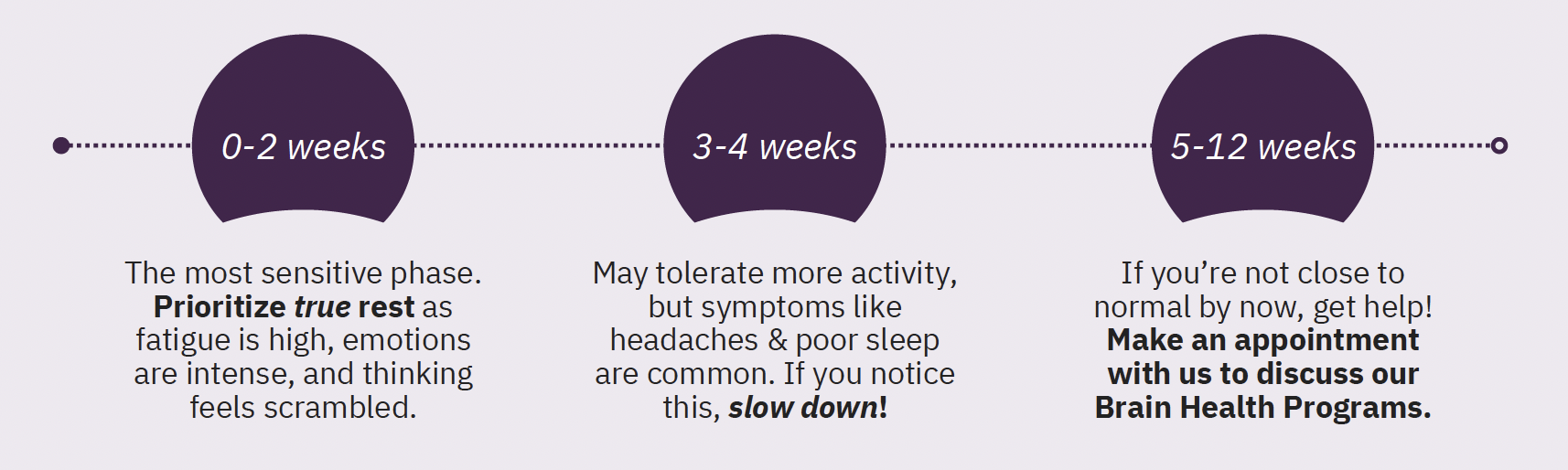
If these symptoms begin to show up, give your brain a rest by stepping away from stimulation:
Find a quiet space away from noise & bright light
Close your eyes, dim the lights, or wear sunglasses indoors if needed
Turn off background noise like the TV or music
Try playing Brown Noise (available on YouTube) to reduce sensory input
Practice deep breathing—drop your shoulders, unclench your jaw, & focus on slow, steady breaths
What a Brain Break is Not
Avoid brain-engaging activities:
Chatting with others
Watching television
Scrolling on your phone
Listening to music
Reading
These may feel restful but they still demand attention and processing.
Nutritional Support for Brain Recovery
Consider talking with Dr Brie and our team about supplements that support cognitive healing. Here are a few options:
Vitamin B12 (methylcobalamin) – 1200 mcg/day
Vitamin B2 (riboflavin) – 200 mg 2x/day
Magnesium L-threonate – 400 mg@bed
CoQ10 – 100 mg up to 2x/day
Omega-3 with DHA – 3000 mg daily
Vitamin D3 – 5000 IU daily
When to get back to activity: light and early cardio!
Gradual reintroduction of activity is important for brain health, as long as it does not trigger symptoms. Start with short walks or stretching in the first week. Increase to light cardio & advance to full activity as your brain tolerates over the first month. If your symptoms return, you have pushed too hard and it is time to rest again. Avoid activity that puts you at risk for another head hit!